
A Complete Guide to Staying Hydrated Properly
Discover a complete guide to staying hydrated properly. Learn how much water you need, signs of dehydration, and easy daily habits to boost energy and health.
Picture this: you’re halfway through your day, and suddenly you feel tired, your head aches, and your focus slips. You blame stress or lack of sleep, but often the culprit is something simple—you’re not drinking enough water.
Hydration is one of the most underrated pillars of good health. While we can survive weeks without food, our bodies can’t go more than a few days without water. Yet, many of us take this basic need for granted. Staying hydrated properly isn’t just about drinking when you’re thirsty—it’s about building habits that keep your body consistently nourished.
Why Hydration Matters
Water is the foundation of life. It regulates temperature, cushions joints, supports digestion, and even gives your skin that healthy glow. When your body is hydrated, you think clearer, feel more energized, and function at your best. When it’s not, everything feels harder than it should.
Even mild dehydration can trigger headaches, fatigue, or irritability. Over time, chronic dehydration may contribute to kidney issues, poor skin health, and reduced immunity.
How Much Water Do You Actually Need?
We’ve all heard of the “8 glasses a day” rule, but hydration needs vary from person to person. Your age, weight, activity level, and even the weather play a role. For most people, around 2–3 liters a day is a good target. If you’re exercising, spending time in the sun, or feeling unwell, you’ll need more.
A simple way to check? Look at your urine. Pale yellow usually means you’re hydrated, while dark yellow is a clear signal to drink up.
Habits That Keep You Hydrated
Staying hydrated isn’t about gulping down liters of water at once—it’s about steady intake throughout the day.
- Begin your morning with a glass of water before coffee or tea
- Keep a reusable bottle nearby at work or while traveling
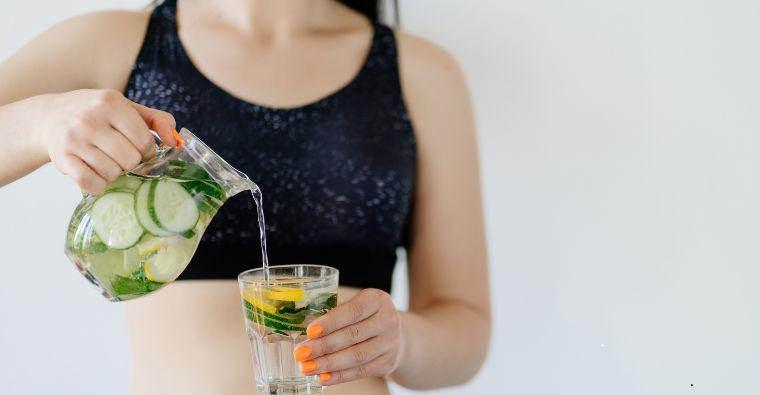
- Infuse your water with lemon, cucumber, or mint if plain water feels boring
- Snack on water-rich foods like melons, cucumbers, oranges, or leafy greens
These small steps make hydration effortless and natural.
When to Pay Extra Attention
Certain situations demand greater care. Exercise, hot climates, illness, and pregnancy all increase your hydration needs. Athletes, for instance, should drink before, during, and after training to replace lost fluids. Similarly, during summer, your body sweats more, which means you’ll need to replenish water faster.
Hydration isn’t just a health tip—it’s a lifestyle habit. When you prioritize water intake, you’re fueling your body, protecting your health, and boosting your energy. It’s one of the simplest and most affordable wellness practices you can adopt.
So the next time you feel sluggish or unfocused, don’t reach for caffeine right away—try reaching for water. Because when your body is hydrated properly, everything else feels a little easier.

Leave a comment
Your email address will not be published. Required fields are marked *