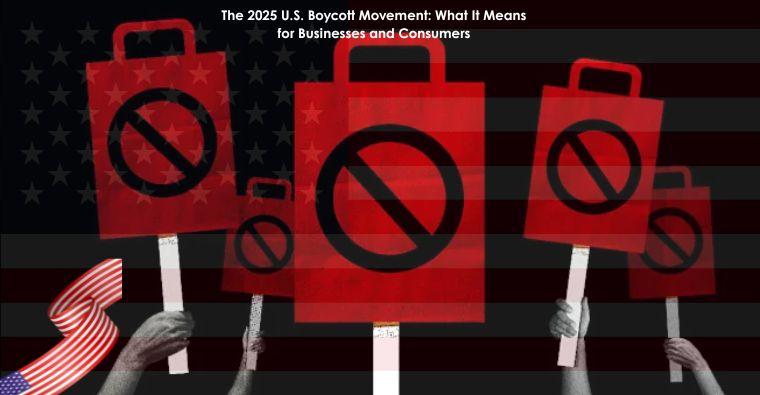
A new wave of activism is gaining traction across North America. In 2025, consumer boycotts targeting U.S. products and services have gained attention, driven by political, economic, and social tensions. But this is not just a symbolic protest—it's one that could reshape trade, brand reputations, and supply chains.
In this post, we’ll explore what’s driving the boycott movement, how businesses are reacting, and what consumers and companies should watch as this trend unfolds.
What Is the 2025 U.S. Boycott Movement?
- Originating as a response to tariff policies and political decisions, the movement asks people and institutions to avoid buying U.S.-made goods and using U.S. services. Wikipedia +1
- It’s especially prominent in Canada and Europe, with apps and “buy local” campaigns gaining popularity. Wikipedia +1
- Some governments and businesses have also responded by restricting or flagging U.S. imports.
Implications for Businesses and Trade
- Brand reputation risk: Companies with U.S. manufacturing or ownership may face consumer backlash abroad.
- Supply chain disruption: Firms that rely on U.S. parts or raw materials may feel the squeeze if trade retaliations escalate.
- Shifting markets: Local alternatives gain momentum, pushing companies to reevaluate global strategies.
- Regulatory responses: Governments might impose countermeasures or tighten trade policies in retaliation.
How Companies Are Reacting
- Rebranding or localizing product lines to appear less U.S.-centric.
- Moving production or component sources to local or allied countries.
- Engaging in public relations campaigns to reassure consumers.
- Lobbying for trade protections or diplomatic intervention.
What Consumers Should Know
- Verify origins: Be mindful of product labels and country of manufacture.
- Support local options: Consider locally made substitutes or regional brands.
- Stay informed: Regulatory changes and tariffs can affect prices, availability, and legality.
- Use influence: Social media and grassroots campaigns amplify consumer voices.
The 2025 U.S. boycott is more than a political statement—it’s a test of global supply chains, brand resilience, and consumer activism. As the movement grows, businesses that adapt quickly, communicate clearly, and diversify their strategies will be better positioned to navigate uncertainty. For consumers, the moment highlights the power of choice and the importance of transparency in where our products come from.