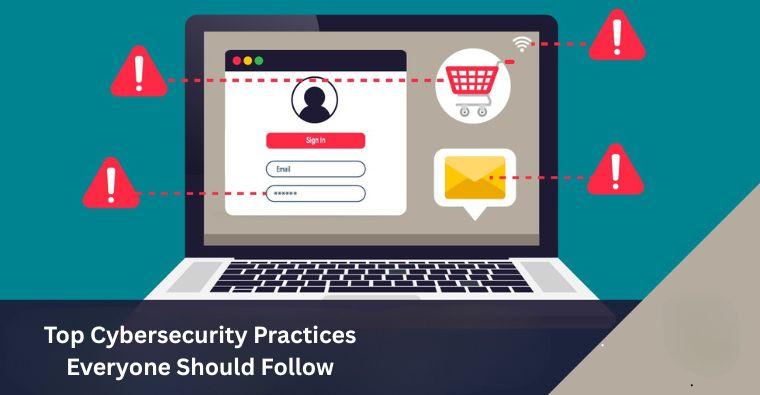
In today’s digital world, our personal and professional lives are deeply connected to the internet. From online banking to social media, we share sensitive information every day. But with convenience comes risk—cyber threats are growing more advanced, targeting individuals as well as businesses. The good news? You don’t need to be a tech expert to protect yourself. By following simple cybersecurity practices, you can keep your data and devices safe.
Why Cybersecurity Matters
Cybercrime is on the rise. Hackers use phishing emails, malware, and weak passwords to steal valuable data. A single security mistake can lead to identity theft, financial loss, or loss of privacy. Practicing cybersecurity daily is as important as locking your house at night.
Top Cybersecurity Practices Everyone Should Follow
1. Use Strong, Unique Passwords
Avoid simple passwords like “123456” or your name. Instead, create complex combinations of letters, numbers, and symbols. Use a different password for each account.
2. Enable Two-Factor Authentication (2FA)
Add an extra layer of protection by requiring a code sent to your phone or email when logging in. Even if someone steals your password, they can’t access your account without the code.
3. Keep Software Updated
Regular updates fix security loopholes that hackers exploit. Always update your operating system, apps, and antivirus software.
4. Beware of Phishing Emails
Don’t click on suspicious links or download unknown attachments. Hackers often disguise emails to look like trusted companies.
5. Secure Your Wi-Fi Network
Use a strong password for your Wi-Fi and avoid using public Wi-Fi for sensitive activities like banking.
6. Back Up Your Data
Regularly back up files to the cloud or an external hard drive. In case of ransomware or system crashes, you won’t lose important information.
7. Install Reliable Antivirus Software
Antivirus programs detect and block malicious files before they can harm your device.
8. Use a VPN on Public Networks
A Virtual Private Network (VPN) encrypts your data, keeping it safe when using public Wi-Fi in cafes, airports, or hotels.
9. Limit Personal Information Online
The less information you share publicly, the harder it is for hackers to target you. Think before posting your phone number, location, or travel plans.
10. Log Out of Accounts After Use
Especially on shared or public devices, always log out after completing your session.
11. Monitor Your Accounts Regularly
Check your bank accounts, emails, and credit reports for unusual activity. Early detection helps minimize damage.
12. Educate Yourself Continuously
Cyber threats evolve constantly. Stay informed about the latest scams and security updates to stay ahead of attackers.
Cybersecurity is no longer optional—it’s a necessity. By adopting these practices, you safeguard not just your devices, but also your personal identity and financial well-being. Think of cybersecurity as a daily habit, just like locking your doors. A little caution today can save you from big troubles tomorrow.